How to Tell if a Home Problem Is an Emergency

A true home emergency is one where waiting could cause injury, fire, or serious damage in the next few minutes, not the next few days. That short list is a gas smell, active flooding you can't stop at the source, sparks or a burning smell from anything electrical, or a smoke or CO alarm going off. Almost everything else can wait.
If you smell gas: what to do first
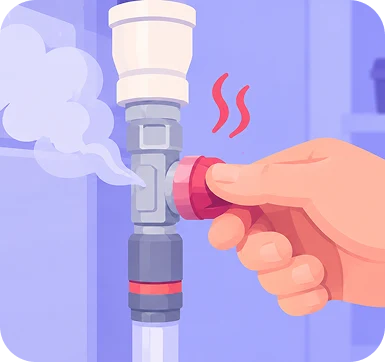
This is the one where speed matters most. Natural gas is odorized so it's noticeable, if you smell something like rotten eggs or sulfur, leave the house immediately. Don't stop to open windows or look for the source. Don't touch any switches on your way out, not light switches, not your phone, not the garage door opener, a spark from a switch can ignite gas in the air. Once you're safely outside, call your gas utility's emergency line or 911, and don't go back in until they've confirmed it's safe.
This isn't a find-the-source-yourself situation, no matter how confident you feel. Leave first, call from outside.

If you see sparks or smell something burning: what to do first
If you can safely reach the breaker panel, cut power to that circuit, if you can't get to it safely, don't try. Unplug the appliance if it's safe to touch the cord, not the outlet or fixture itself. Then call an electrician, and don't use that outlet or switch again until it's been inspected.
Home electrical fires cause an estimated $2.4 billion in property damage and more than 500 deaths a year in the U.S., and a lot of them trace back to a warning sign that showed up first, a buzzing sound, a warm switch plate, a breaker that trips repeatedly. None of those are wait-and-see signs.

If water is actively flooding: what to do first
Shut off the water at the source, the valve under the sink or behind the toilet if that's where it's coming from. Can't find the source? Shut off the main water valve for the whole house. Then call a plumber, once the water's off, it's no longer an active emergency even if there's real cleanup ahead.
If a smoke or carbon monoxide detector goes off
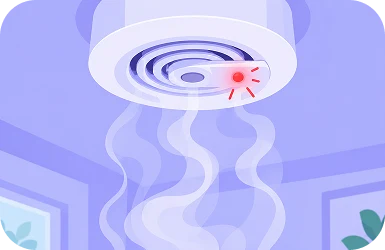
Treat it as real until you have a clear, confirmed reason not to. CO is odorless, and the symptoms, headache, dizziness, nausea, can be mistaken for something else entirely. Get everyone outside into fresh air first, then call for help.
What's not a home emergency, even if it feels like one
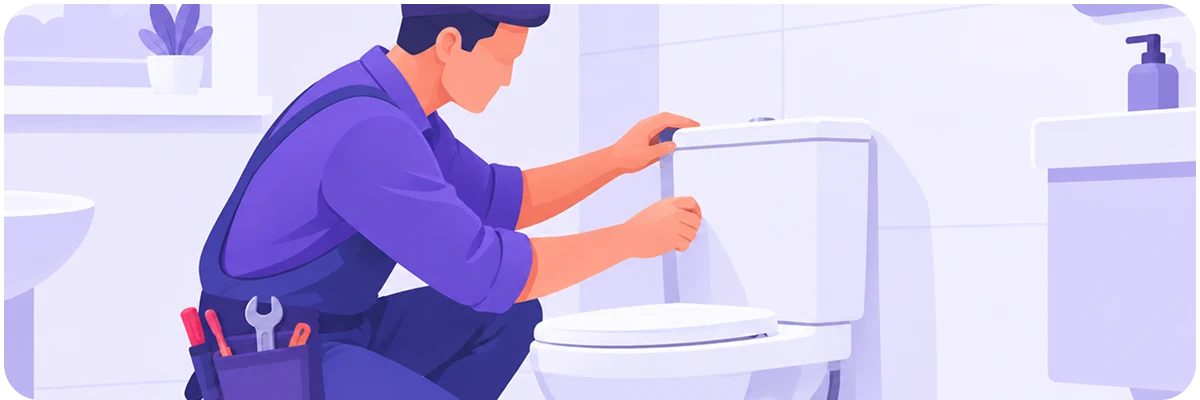
A running toilet, no matter how loud, is wasting water, not causing damage in the next five minutes. Weak AC on a hot day is uncomfortable, not dangerous, unless someone in the home is medically vulnerable to heat. A slow drain, a squeaky door, a dead outlet with a working breaker nearby, all of it can wait for a scheduled fix.
How to prepare before you ever need this
Know where your main water shutoff and electrical panel are, and keep your gas utility's emergency number saved in your phone. None of that takes more than ten minutes, and it's the ten minutes that matter if you're ever actually in one of these situations.
If what you describe matches an emergency pattern, FinderlyFix says so immediately and tells you to take the safety step first, before offering any DIY guidance at all.
This is general safety information, not a substitute for emergency services. If you're in immediate danger, call 911 or your local emergency number.
Not sure what you're looking at? Snap a photo and FinderlyFix will tell you what's wrong, what it should cost, and what to do next.
Try FinderlyFix